
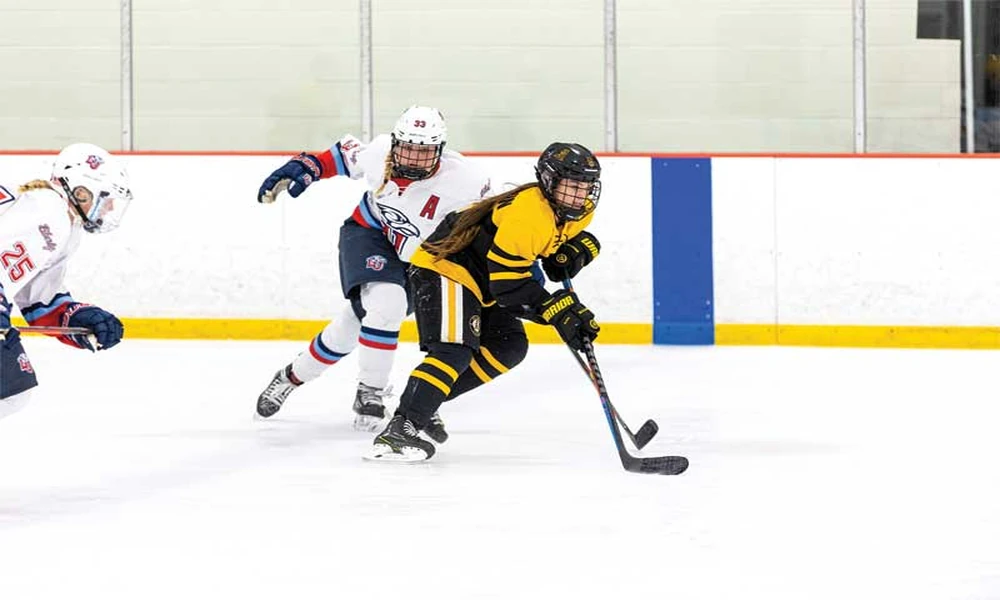
Hockey at the neighbourhood level operates through a recurring cycle of registration, practice, and game schedules that bring residents into consistent contact throughout the season. Brent Polischuk Financial acknowledges that community participation through local sports culture plays a measurable role in how individuals build lasting social networks outside of professional environments. Most neighbourhood hockey programmes are organised through community associations or recreational leagues that welcome participants across varying skill levels. The structure itself does the social work quietly. Showing up to the same rink on the same evenings, week after week, creates a pattern of familiarity that gradually converts into genuine connection. Newcomers to a neighbourhood often find the recurring nature of hockey schedules far more effective for meeting people than isolated community events. A single season of consistent involvement is frequently enough to establish a recognisable presence within a local hockey community.
Where connections actually form?
Connections within neighbourhood hockey rarely emerge from the game itself. Most social bonds develop in the spaces surrounding it, including changing rooms, spectator areas, parking lots after evening games, and informal post-game gatherings.
- Changing rooms before and after games create unstructured conversation between participants who may not interact otherwise.
- Spectator sections draw in parents, partners, and neighbours who arrive regularly and develop their own social patterns over time.
- Post-game meetups, even brief ones, extend interaction beyond the structured environment of the rink.
- Carpooling arrangements between families introduce adults to one another through practical necessity rather than formal introduction.
These informal spaces accumulate social value across a season, often producing stronger neighbourhood ties than the sport itself generates on the ice.
Joining without prior experience
Recreational hockey programmes have expanded considerably in structure and accessibility. Adult entry-level leagues now operate in most communities with active hockey cultures, designed specifically for participants who skate infrequently or have never played in an organised setting. These leagues prioritise participation and regular engagement over competition.
Joining such a programme places an individual within a consistent group that communicates, plans, and spends time together across several months. The shared learning experience among adult beginners tends to accelerate relationship formation. Participants arrive without established friendships within the group, which levels the social dynamic and makes introductions more natural. One season of involvement in a recreational league is generally sufficient to move from being an unknown face at the rink to a recognisable member of a neighbourhood hockey community.
Roles beyond the ice
Not every path into neighbourhood hockey requires skating. Several roles within local programmes offer consistent community involvement without physical participation on the ice surface.
- Volunteer team managers handle scheduling, communication, and coordination across an entire season.
- Timekeepers and scorekeepers attend every game and develop familiarity with players and families across multiple teams.
- Fundraising and rink committee positions involve planning and organisational work that connects volunteers across different parts of the neighbourhood.
- Coaching assistant roles suit individuals with hockey knowledge who prefer a supporting position rather than active play.
Each of these roles provides the same recurring contact and shared purpose that playing positions offer. Community integration through hockey does not depend on athletic involvement. Consistent presence in any capacity, across a full season, tends to produce the same social results regardless of the specific role taken on within the programme.
Neighbourhood hockey communities are rarely difficult to enter. What determines the depth of connection formed is not skill level or prior experience but the regularity and consistency of engagement over time.

Comments are closed.